
Christianity is not an invention
If Christianity is not an invention, then two familiar origin-stories cannot stand: Jesus mythicism and the Constantinian thesis that the Church is an imperial product.
1. Mythicism
Mythicism treats Jesus as a constructed founder and the Gospels as late propaganda. The Claim rules that out as a coherent option. A movement whose enemies explained a missing body rather than denying a tomb, whose texts keep their leaders’ failures, and whose first witnesses died with nothing to gain, is not a myth spun in secret.
2. The Constantinian thesis
The other discard is that Constantine invented Christianity or captured the Church at Nicaea. If the Claim holds, legalization is not creation. A faith already structured by bishops, already costly under persecution, is not an imperial startup.
Conclusion
If Christianity is not an invention, mythicism and the imperial-origin story are ruled out. The spine of this page is why; Implications only names what those positions can no longer be.
Hostile rumor that the body was stolen is how enemies explained a fact, not how a cult invents a founder. Gospels that record their leaders’ failures are not propaganda invented to sell a hero. Men do not invent a story they then die for with nothing to gain. An immediate resurrection was not copied from Jewish parties; it was not a recycled invention. Persecution grew the Church; a late fiction would not choose that path. Constantine neither invented nor captured the Church: bishops kept their own authority. These reasons show Christianity is not an invention.
The argument
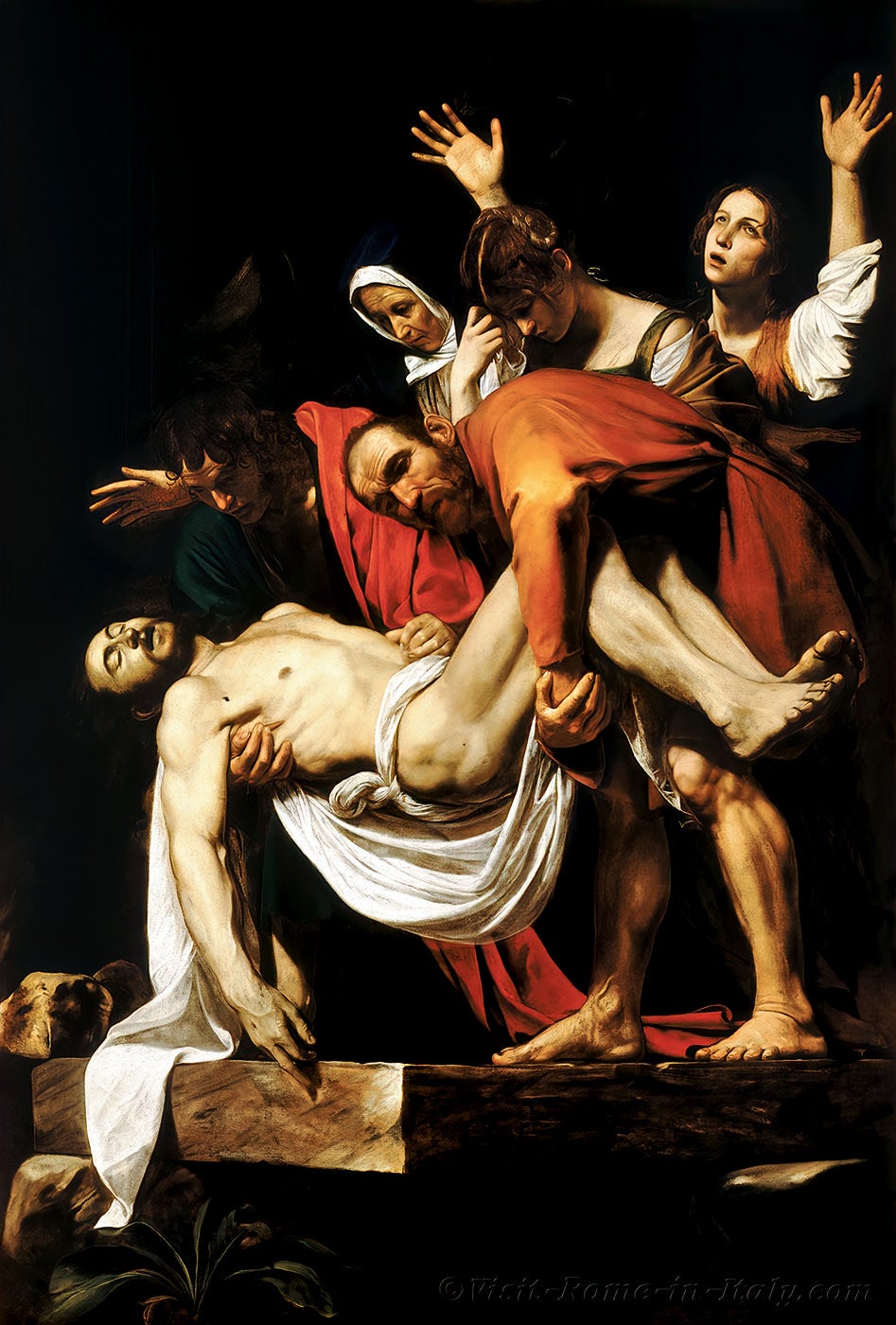
Independent sources confirm Jesus’ crucifixion under Pontius Pilate, and the tradition of His burial in Jerusalem is ancient. Matthew’s Gospel records that Jewish leaders spread the claim that the disciples stole the body while the guards slept. Paradoxically, this rumor reinforces that the body was truly missing and associated with a known tomb. Inventors do not need enemies to invent a theft story for them. In historical reasoning, when opponents explain an event rather than deny it, the basic event is accepted as fact needing explanation — not as a founding myth spun in secret.
- Tacitus – Annals
- Flavius Josephus – Jewish Antiquities
- N. T. Wright – The Resurrection of the Son of God
- Jodi Magness – The Archaeology of the Holy Land
- William Lane Craig – The Son Rises
- Matthew 27:60 – “He laid it in his new tomb, which he had hewn in the rock.”
- Matthew 28:13 – “Say this: ‘His disciples came by night and stole him while we were asleep.’”
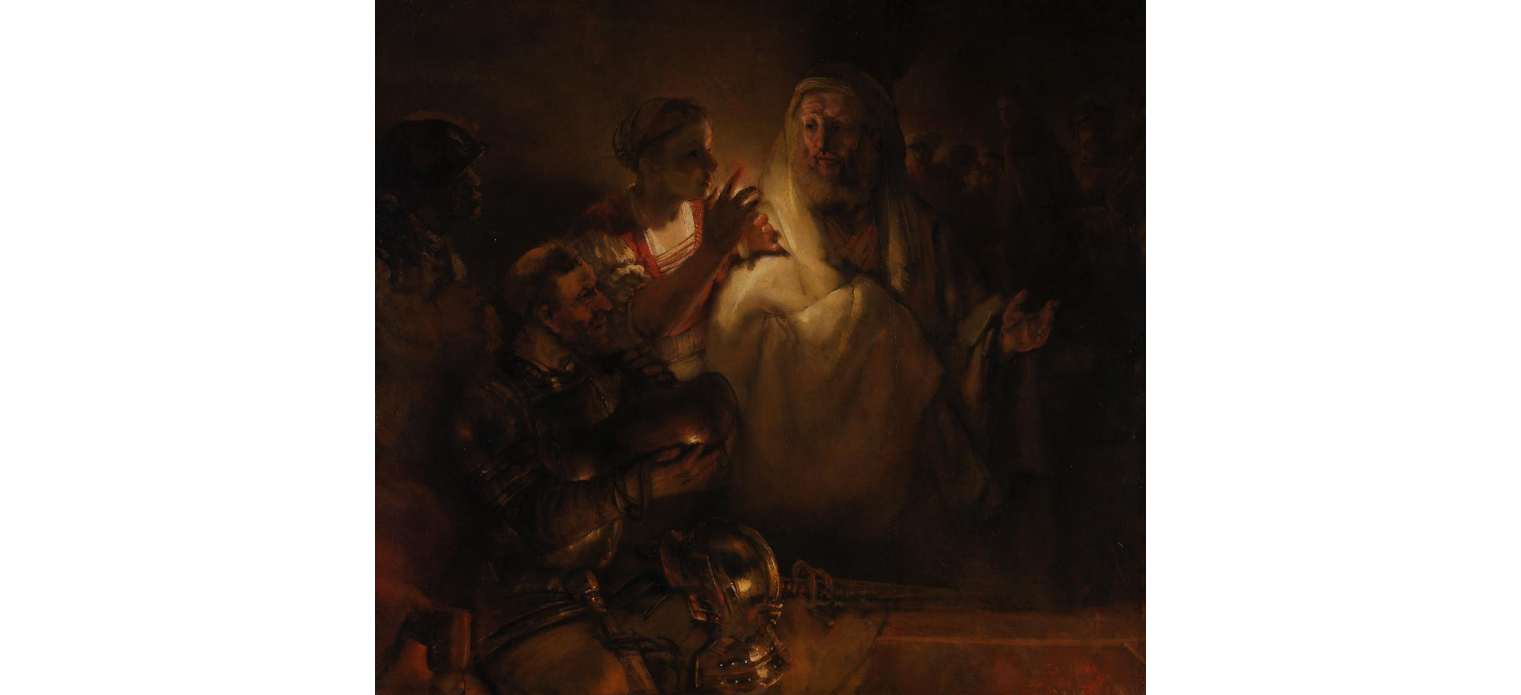
If early Christians wanted to invent a flawless story, they would not have reported Peter’s triple denial of Jesus, Thomas’ doubt, Judas’ betrayal, or women—whose testimony was legally worthless then—as the first witnesses of the empty tomb and the risen Christ. This is known as the ‘criterion of embarrassment’: details that discredit the authors or leaders are rarely fabricated. Propaganda invents heroes; these texts keep the stains. Therefore, the presence of such awkward details strongly supports authenticity rather than invention.
- N. T. Wright – The Resurrection of the Son of God
- Michael R. Licona – The Resurrection of Jesus
- Richard Bauckham – Jesus and the Eyewitnesses
- Matthew 26:75 – “And Peter remembered the word of Jesus… and he went out and wept bitterly.”
- Luke 24:10-11 – “It was Mary Magdalene… but their story seemed like nonsense and they did not believe them.”
- John 20:27 – “Put your finger here… do not be unbelieving, but believe.”

After Jesus’ death, the disciples dispersed and even considered returning to their old lives. Yet soon they publicly proclaimed, ‘God raised Jesus from the dead,’ and endured imprisonment, torture, and execution without material benefit. People may die for a mistaken belief, but not for something they know to be false. Inventors of a fraud cash out or flee; they do not invent a story and then die for it with nothing to gain. The simplest explanation for their courage is that they genuinely believed they had encountered the risen Christ — not that they knowingly sold a fiction.
- Sean McDowell – The Fate of the Apostles
- N. T. Wright – The Resurrection of the Son of God
- Tacitus – Annals
- Acts 2:32 – “This Jesus God raised up, of that we are all witnesses.”
- Acts 4:33 – “With great power the apostles bore witness to the resurrection of the Lord Jesus.”
- 1 Corinthians 15:3-6 – “He appeared to Cephas, then to the Twelve… then to more than five hundred brothers at once…”
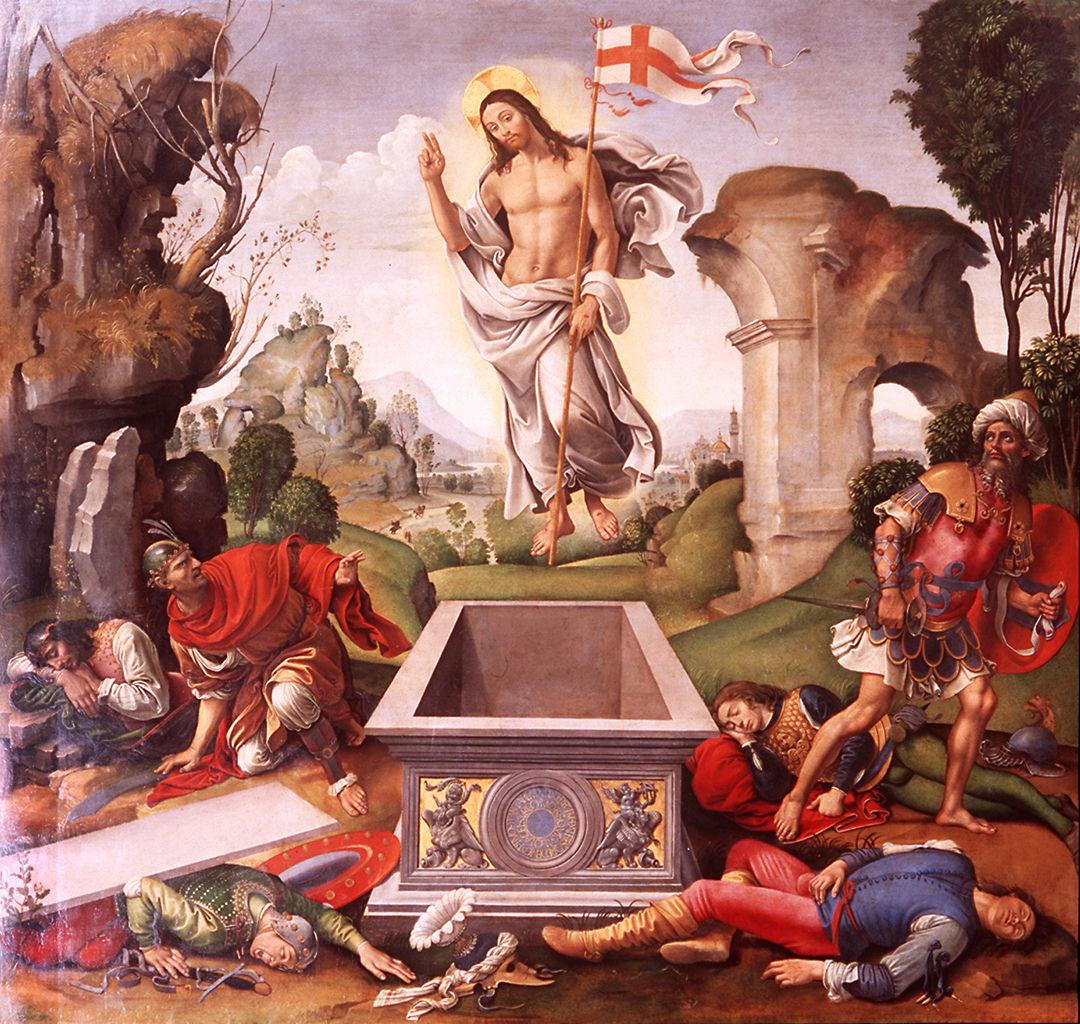
In first-century Judaism, the Sadducees denied resurrection altogether, while the Pharisees expected a general resurrection at the end of history. The proclamation that one man rose within history—‘the first fruits of those who have fallen asleep’—had no ready-made template to copy. Inventors recycle existing myths; this claim broke Jewish categories. For a crucified Messiah to be proclaimed as resurrected within time shows that the belief was not a gradual myth pieced from party platforms but a response to a shocking event.
- Flavius Josephus – Jewish War
- N. T. Wright – The Resurrection of the Son of God
- Richard Bauckham – Jesus and the Eyewitnesses
- Matthew 22:23 – “That same day Sadducees came to him, who say there is no resurrection…”
- Acts 23:8 – “The Sadducees say there is no resurrection… the Pharisees acknowledge both.”
- John 11:24 – “Martha said, ‘I know he will rise, in the resurrection on the last day.’”
- 1 Corinthians 15:20 – “Christ has been raised from the dead, the first fruits of those who have fallen asleep.”
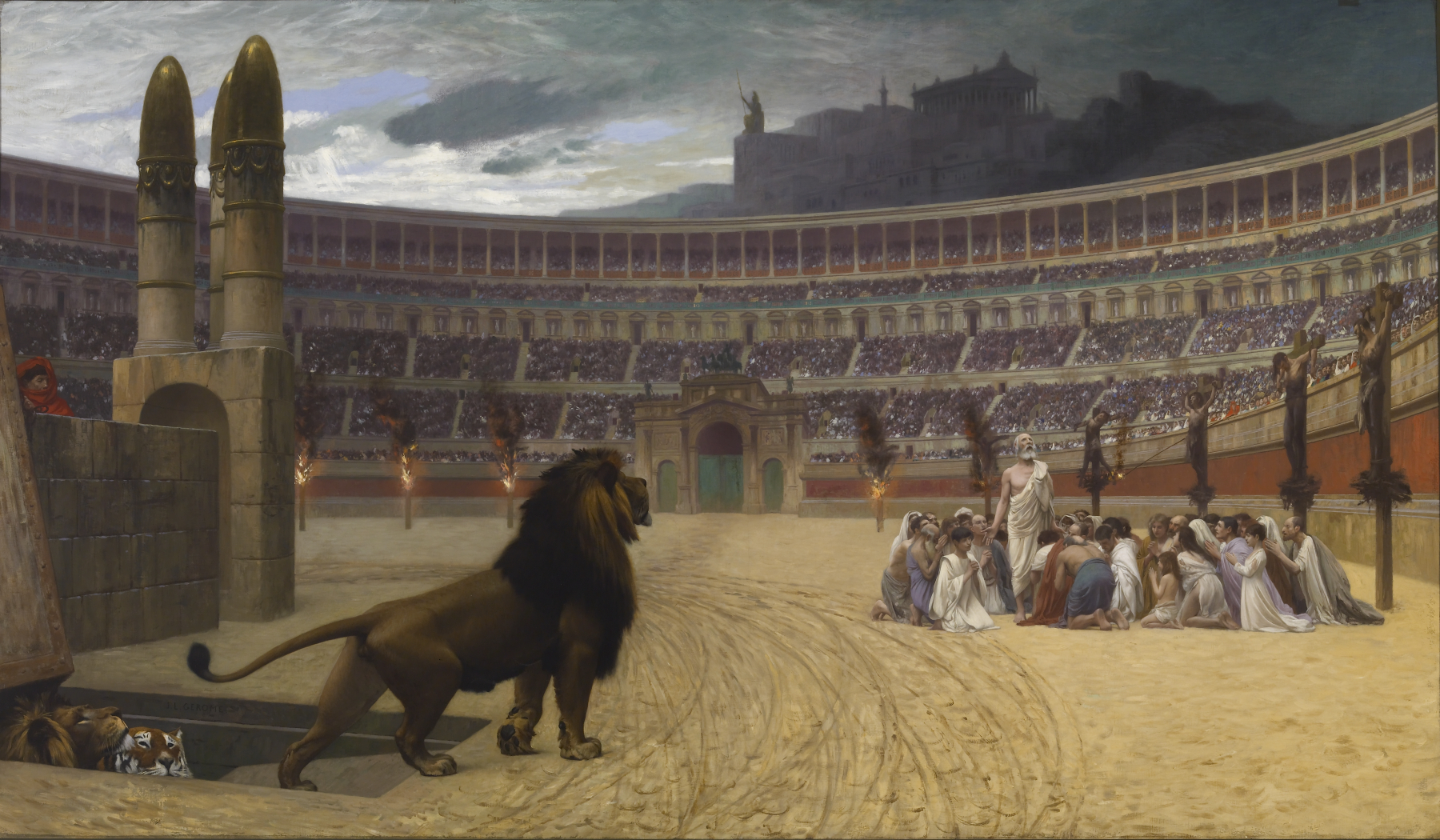
From Nero to Diocletian, Christians faced severe persecution, yet the community grew. Tertullian famously said, ‘The blood of the martyrs is the seed of Christians.’ Roman letters and legal documents confirm that Christians practiced distinctive morals and refused idolatry even under threat of death. Artificial movements collapse under pressure; late fictions seek ease and power. Here the opposite occurred, indicating that their faith rested on truth and transformative witness — not on a convenient invention.
- Tertullian – Apologeticus
- Pliny the Younger – Letters (10.96-97)
- Rodney Stark – The Rise of Christianity
- Robert Louis Wilken – The Christians as the Romans Saw Them
- Matthew 16:18 – “The gates of hell shall not prevail against it.”
- Acts 5:41 – “They rejoiced that they were counted worthy to suffer dishonor for the Name.”
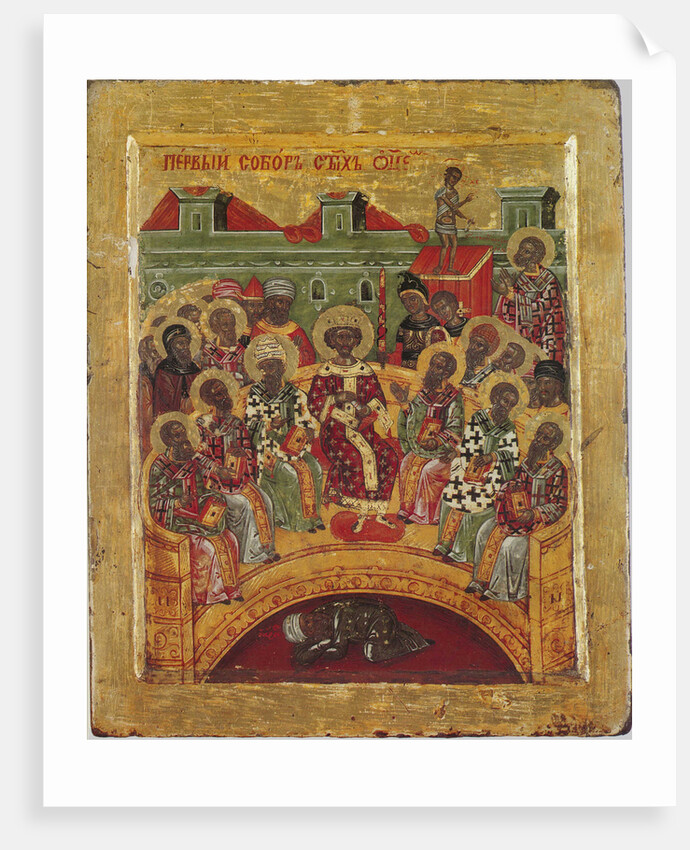
The Edict of Milan legalized public worship but did not create the faith. At the Council of Nicaea, many bishops bore marks of torture from recent persecutions. Throughout history, the Church repeatedly resisted state control—a tension seen in later conflicts with emperors and kings. The very existence of schisms caused by opposition to political domination shows that ecclesial authority was not an imperial invention but a pre-existing structure grounded in apostolic succession. Constantine neither invented Christianity nor captured the Church.
- Eusebius of Caesarea – Life of Constantine
- H. A. Drake – Constantine and the Bishops
- J. N. D. Kelly – Early Christian Doctrines
- Jaroslav Pelikan – The Christian Tradition
- Acts 5:29 – “We must obey God rather than men.”