You may be becoming a slave of your desires
If you may be becoming a slave of your desires, then two popular accounts of freedom cannot stand: freedom-as-license and hedonism-as-liberation.
1. Freedom-as-license
License treats every limit as oppression and freedom as doing whatever impulse wants. The Claim implies the opposite: when desire rules, the will obeys. Choosing the good when feelings resist is freedom; following every impulse is the shape of slavery. “Do what you want” is not a rival definition this page can share; it is the condition the Claim warns against.
2. Hedonism-as-liberation
Hedonism sells unrestricted pleasure — without family, promise, or fruitfulness — as emancipation. If the Claim holds, that offer is a mechanism of control, not a way out: isolation, cheap stimulation, and heirs of nothing. Pleasure remains a good; making it the measure of freedom is what enslaves.
Conclusion
The implication is not a list of forbidden acts — those belong in the Premises. It is that license and hedonism are ruled out as pictures of freedom.
Freedom is choosing the good when feelings resist, and it also requires integrity of private and public life. Material goods are good; temperance avoids both puritanism and hedonism. Hedonism is also social control: pleasure without family and continuity makes people easy to move. Easy pleasure — cheap dopamine and the weekend cycle — brings brief relief and lasting emptiness. Without faith, people tend to live only to avoid pain and chase cheap pleasure. The gap between humans and animals points to a spiritual soul, and the human being is a unity of body and soul. Even those who reject religion end up worshiping something; calling religion opium does not refute faith. Pornography, casual sex, many partners, sex cut off from fruitfulness, consumerist refusal of children, and intoxication wound dignity and enslave. Through discipline, truth, and grace, freedom to love can be recovered.
The argument
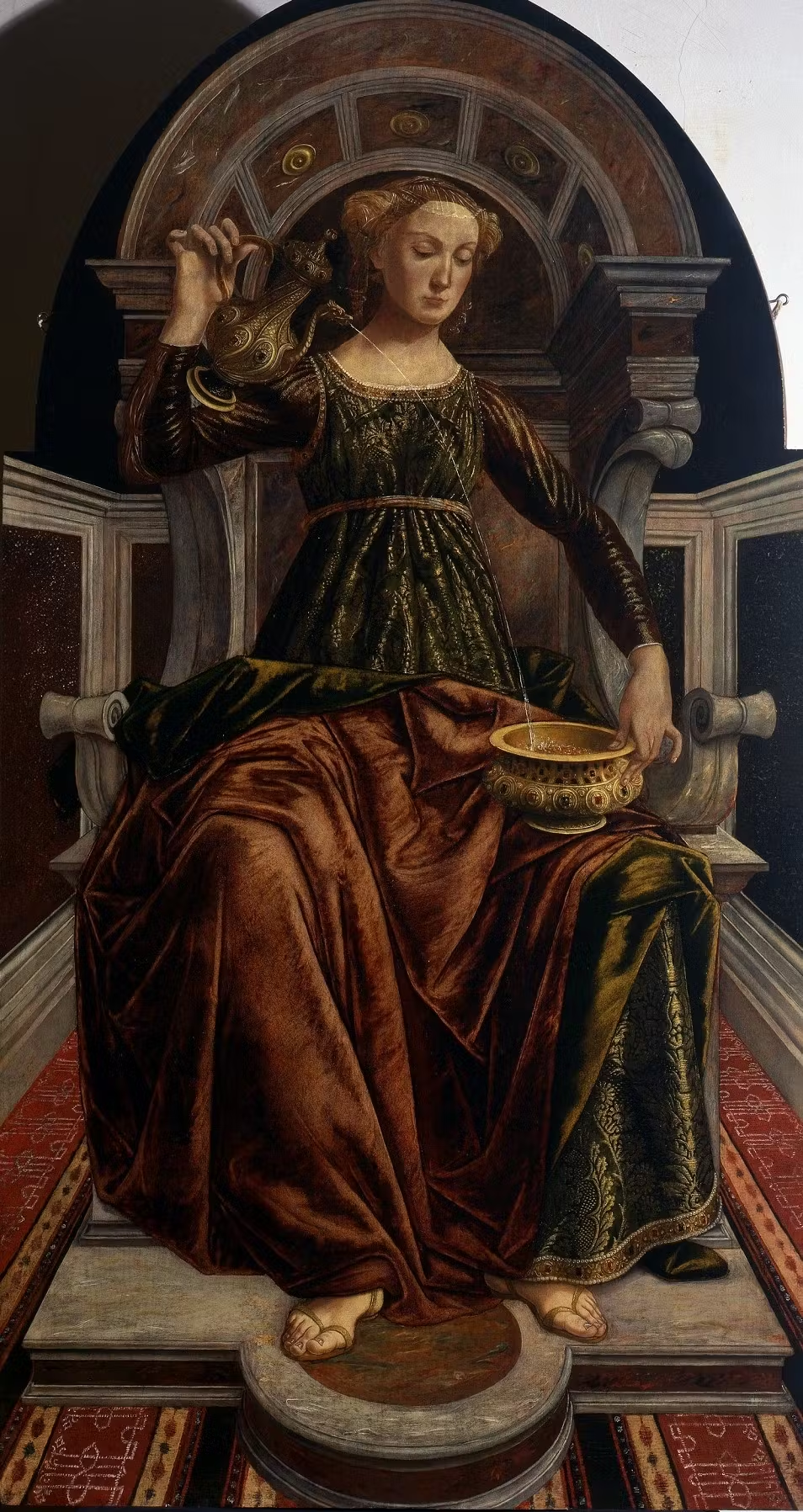
At work, you overcome laziness and anger to fulfill your duties—showing that true freedom demands self-control. Living by impulse enslaves us to moods. Christian tradition calls this slavery to sin: when desire rules, the will obeys. Virtues like prudence and temperance train the will so that feeling and desire serve the true good rather than whim.
- Roy F. Baumeister; John Tierney - Willpower: Rediscovering the Greatest Human Strength
- Walter Mischel - The Marshmallow Test: Mastering Self-Control
- John 8:34 - “Everyone who commits sin is a slave of sin.”
- Galatians 5:13 - “You were called to freedom; do not use freedom as an opportunity for the flesh.”
- Romans 7:19 - “I do not do the good I want, but the evil I do not want is what I do.”
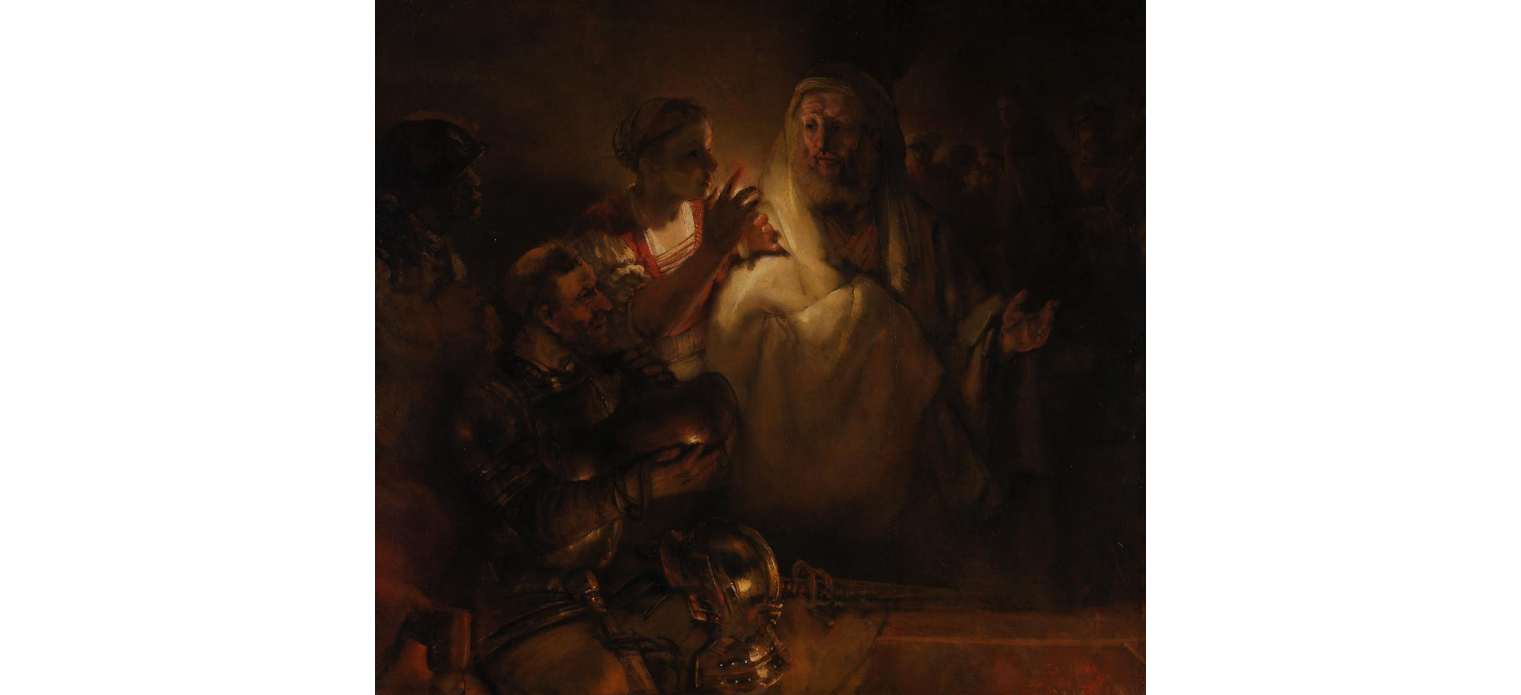
Living one way in public and another in private produces a divided and unhappy soul. The married man who hides his pornography, the son who conceals drug use, the gamer who hides addiction from his boss—all build artificial identities that eventually collapse. Habits shape character: we become what we repeatedly do. Coherence restores peace of soul and strengthens bonds. Grace enlightens the will; discipline establishes truth lived out.
- Wendy Wood - Good Habits, Bad Habits
- Charles Duhigg - The Power of Habit
- Roy F. Baumeister; John Tierney - Willpower: Rediscovering the Greatest Human Strength
- Luke 12:2-3 - “Nothing is concealed that will not be revealed… what you have whispered will be proclaimed from the housetops.”
- Matthew 23:27-28 - “Woe to you, scribes and Pharisees, hypocrites… outwardly beautiful, but inside full of robbery and iniquity.”
- Proverbs 10:9 - “He who walks in integrity walks securely.”
- Galatians 6:7 - “Whatever a man sows, that he will also reap.”
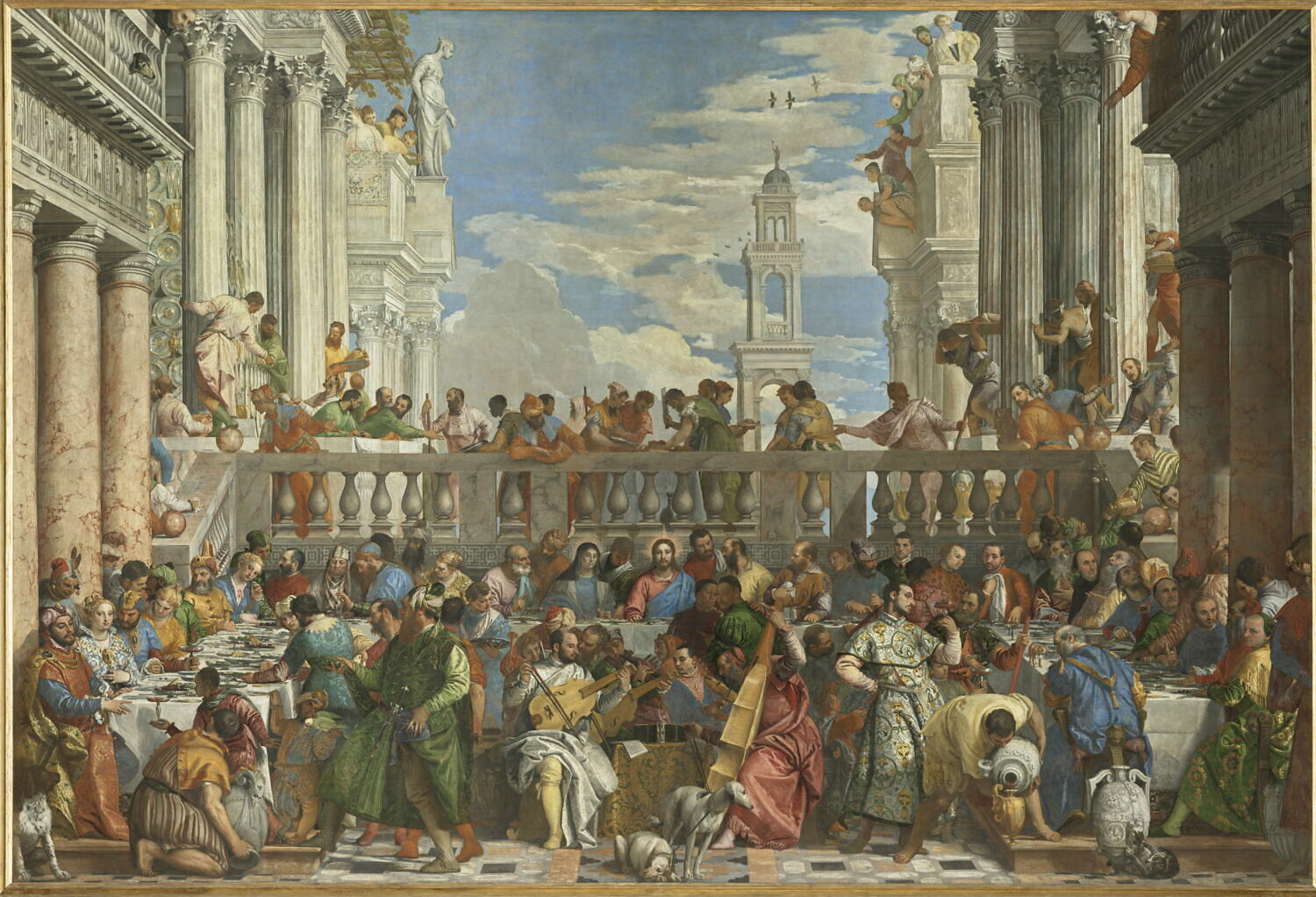
Creation is good: drinking is not sinful, drunkenness is; sex is holy within marriage but disordered outside it. The saints lived moderation—enjoying things without being owned by them. Temperance harmonizes pleasure and reason, letting us celebrate God’s gifts without falling into excess. Thus we neither demonize matter nor idolize it.
- Aristotle - Nicomachean Ethics
- Thomas Aquinas - Summa Theologiae (II-II, Cardinal Virtues)
- Centers for Disease Control and Prevention (CDC) - Alcohol Guidelines
- John Paul II - Theology of the Body
- 1 Corinthians 10:31 - “Whether you eat or drink… do all for the glory of God.”
- Sirach 31:27 - “Wine is like life to men, if taken moderately.”
- Philippians 4:5 - “Let your moderation be known to all men.”
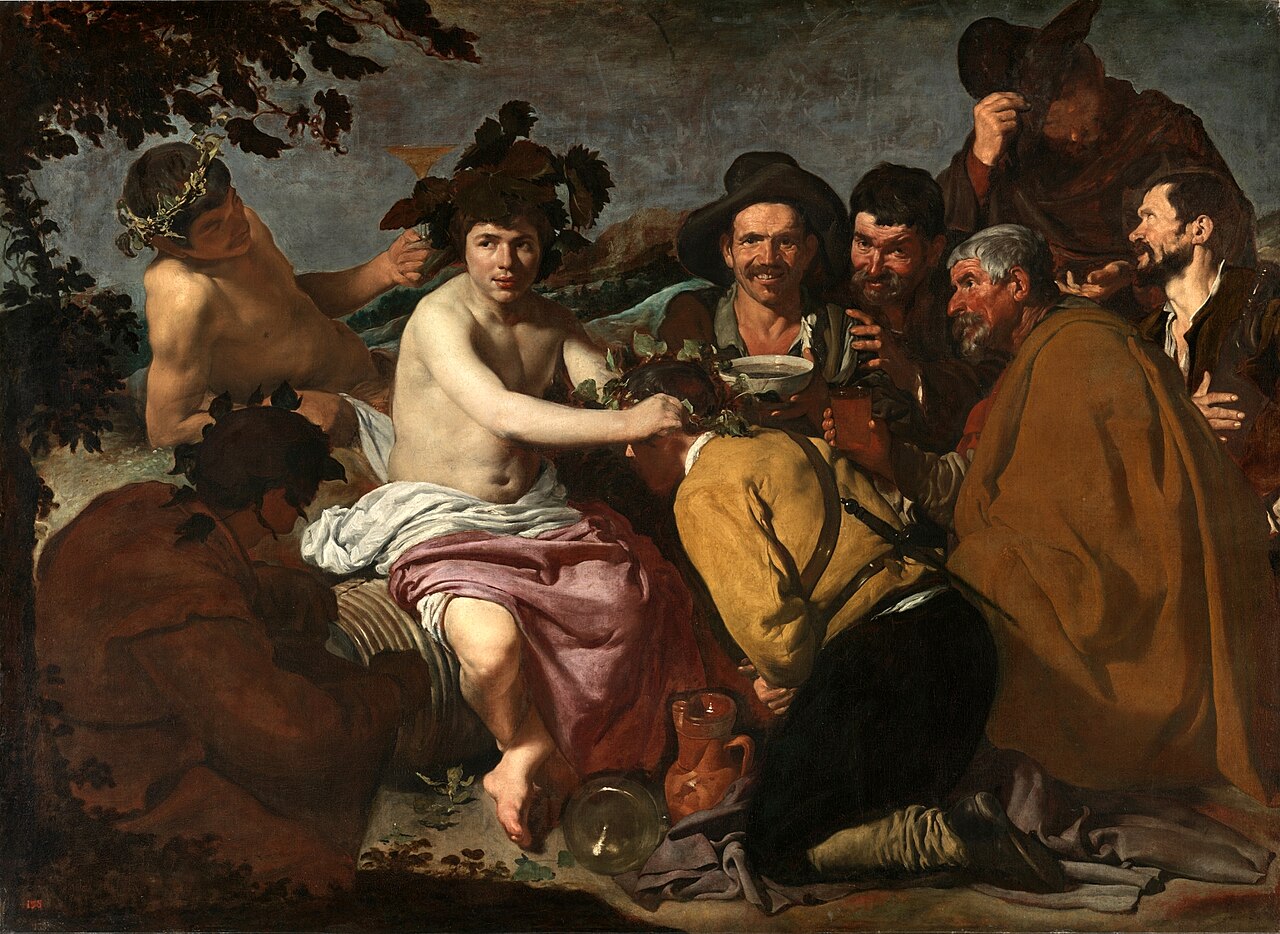
In ancient Rome, slaves were denied the right to form families. To reproduce, they were forced into collective orgies where no one knew who fathered whom. This was not mere depravity, but a calculated mechanism of control: without kinship, heritage, or identity, a person becomes a disposable tool, unable to pass on property, culture, or faith. Today’s hedonistic culture serves a similar role. By convincing people that family limits freedom, the system isolates them, shaping perfect consumers and heirs of nothing — for in the end, everything they labored for returns to the banks and the state. Pleasure without responsibility breeds dependence and submission, not freedom.
- Edward Gibbon - The History of the Decline and Fall of the Roman Empire
- Christopher Dawson - The Making of Europe
- Alasdair MacIntyre - After Virtue
- Proverbs 13:22 - “A good man leaves an inheritance to his children’s children.”
- Psalm 127:3-4 - “Children are a heritage from the Lord, the fruit of the womb a reward.”
- Genesis 2:24 - “Therefore a man shall leave his father and mother and be joined to his wife, and the two shall become one flesh.”
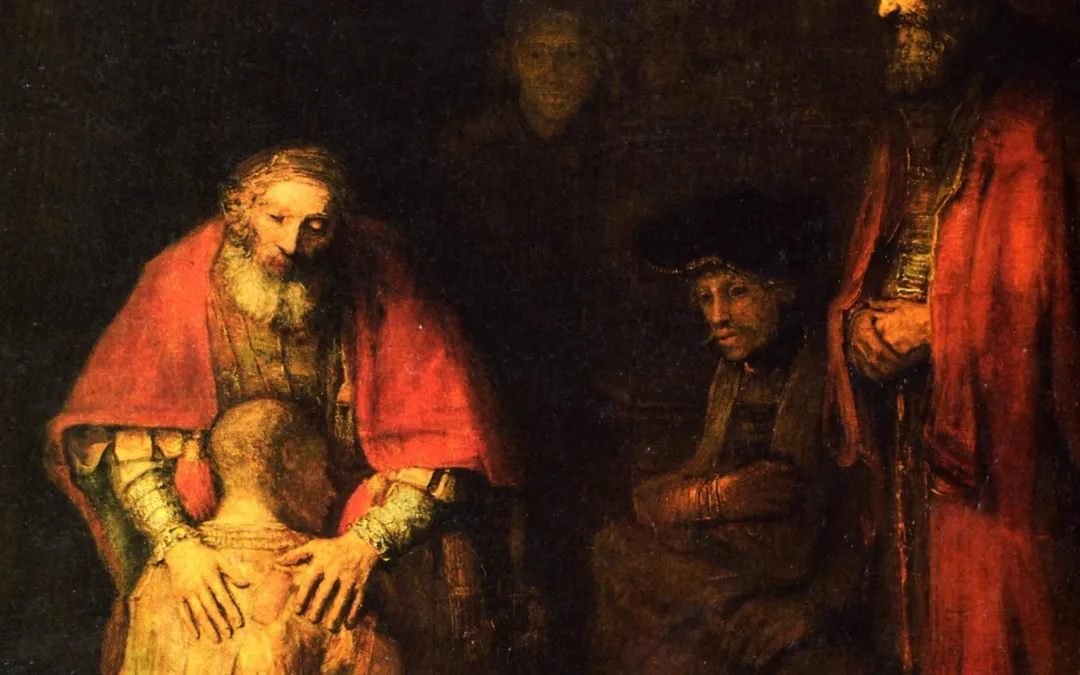
Scrolling for hours and jumping from one stimulus to another creates a cycle of tolerance and apathy. Friday promises euphoria; Sunday brings restlessness and fatigue. Joy based only on stimulation quickly fades. Without a greater good organizing pleasure—family, friendship, worship, service—life becomes a series of highs and lows. The answer is not demonizing pleasure but restoring limits and purpose: true rest, silence, prayer, service, and friendship give depth to life. Christian rest proposes liturgy, community, and charity, which renew both body and soul.
- Anna Lembke - Dopamine Nation: Finding Balance in the Age of Indulgence
- Jean M. Twenge - iGen
- Jonathan Haidt - The Anxious Generation
- Ecclesiastes 2:1-11 - “All is vanity and chasing after wind.”
- Romans 12:2 - “Do not be conformed to this world, but be transformed by the renewal of your mind.”
- Matthew 6:24 - “No one can serve two masters.”
- Philippians 4:8 - “Whatever is true, noble, just… think about these things.”

Religion does not suppress pleasure; it gives it meaning and proportion. Without a transcendent horizon, our criteria shrink to mere comfort. This breeds compulsions, loneliness, and loss of purpose. Catholic faith proposes asceticism—the loving training of freedom to say yes to what builds and no to what enslaves.
- Harold G. Koenig; Dana King; Verna B. Carson - Handbook of Religion and Health
- Sirach 18:30 - “Do not follow your passions; restrain your desires.”
- Galatians 5:13 - “Do not use freedom as an opportunity for the flesh.”

Apes have brains similar in weight to ours but do not plan centuries ahead, produce science, or symbolic art. Man imagines, promises, judges, and worships. This openness to the infinite shows that we are not mere instinct: we have reason, moral conscience, and thirst for meaning. Tradition calls this the spiritual soul—the principle that unites body and intelligence toward truth and goodness.
- Michael Tomasello - A Natural History of Human Morality
- Thomas Suddendorf; Michael Corballis - Behavioral and Brain Sciences (2007)
- Genesis 1:27 - “God created man in His image.”
- Psalm 8:6 - “You made him little less than the angels and crowned him with glory and honor.”
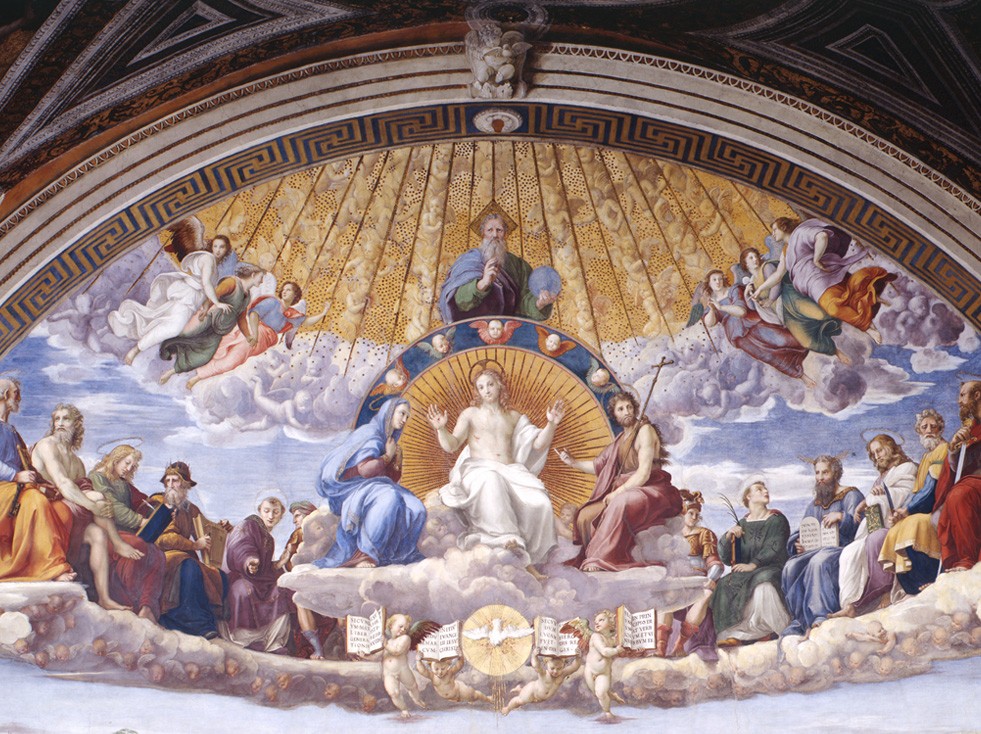
We share senses with animals and reason with angels; our greatness lies in ordering the former by the latter. The body is not the enemy but an ally when integrated by goodness. Faith enlightens reason; reason disciplines the passions. This harmony avoids both puritanism and hedonism.
- Edward Feser - Aquinas
- John Paul II - Theology of the Body
- 1 Corinthians 6:19-20 - “Your body is a temple of the Holy Spirit… glorify God in your body.”
- 1 Thessalonians 4:3-5 - “This is God’s will, your sanctification: abstain from immorality.”
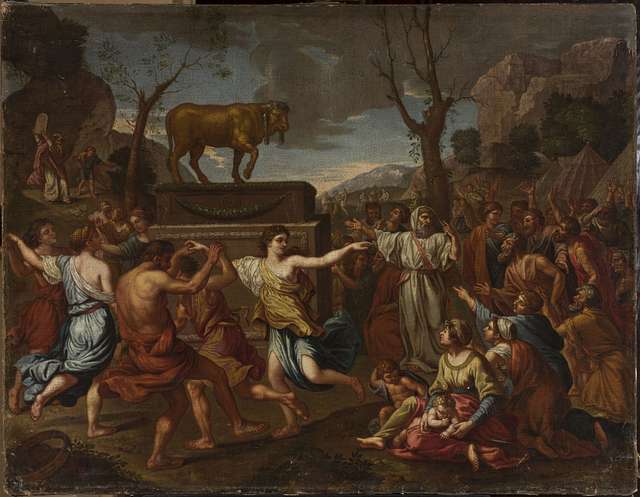
The human heart yearns for an ultimate good. If God does not occupy that place, something else will — money, pleasure, status, or ideology. Finite objects demand sacrifices and never fully satisfy, leading to anxiety and fatigue. Worshiping the true God frees us by ordering all loves to Love itself.
- James K. A. Smith - You Are What You Love
- Émile Durkheim - The Elementary Forms of Religious Life
- Matthew 6:24 - “No one can serve two masters.”
- Exodus 20:3 - “You shall have no other gods before Me.”

Religion can be misused, but it also heals vice, sustains families, and promotes charity. Evidence shows correlations between religious practice and better mental health and social support. If there is an 'opium,' consumerist hedonism fits the label too. The true test is whether it liberates and transforms the person.
- Harold G. Koenig; Dana King; Verna B. Carson - Handbook of Religion and Health
- Rodney Stark; Roger Finke - Acts of Faith
- John 8:32 - “You will know the truth, and the truth will set you free.”
- James 1:27 - “Religion that is pure… cares for orphans and widows in their affliction.”
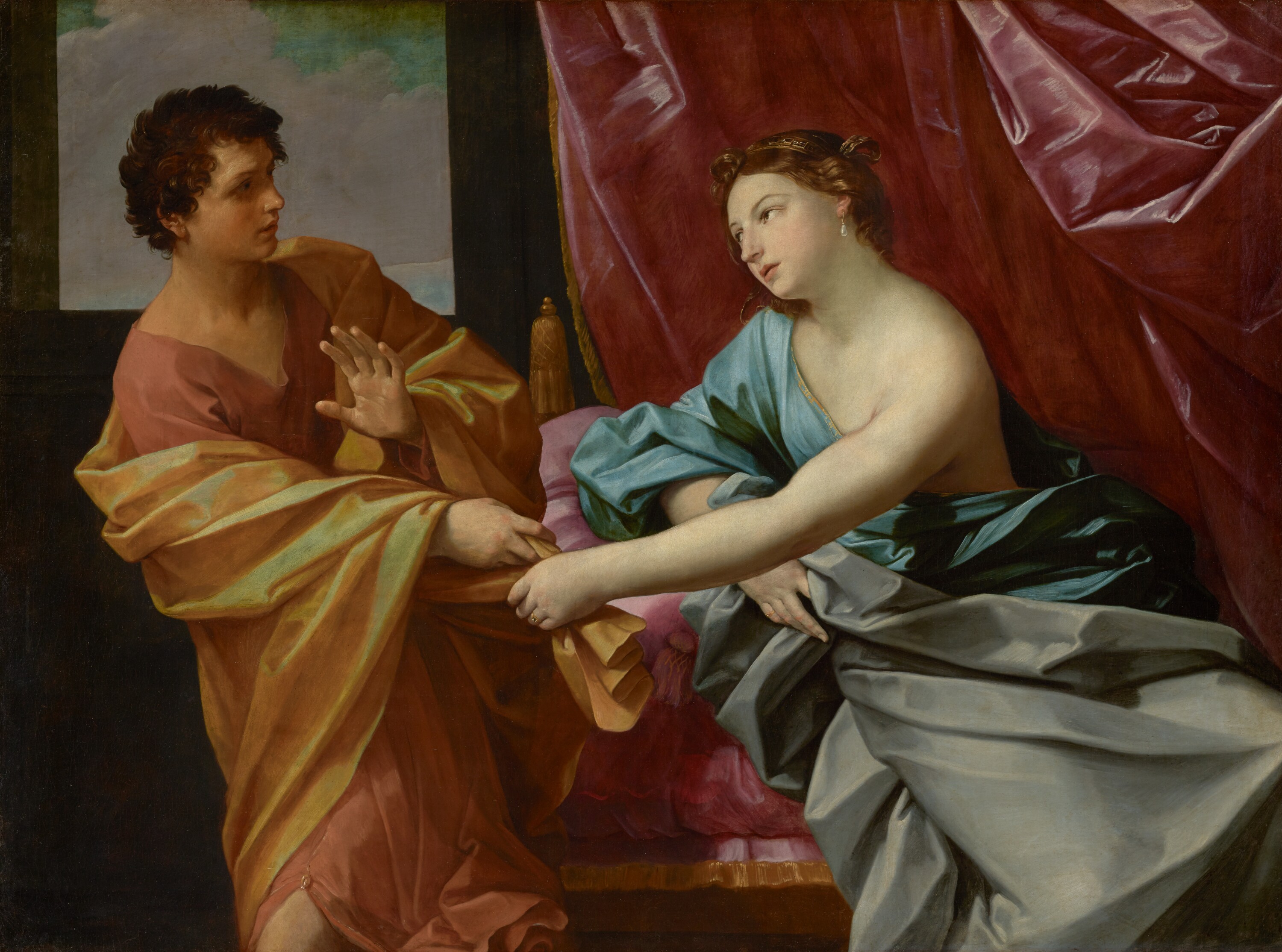
Pornography acts as a super-stimulus: endless novelty raises tolerance and reduces satisfaction with real life. Studies link heavy use to altered motivation, relationship difficulties, and psychological distress. Renouncing it is painful at first but restores freedom and presence.
- Maximilian Kühn; Jürgen Gallinat - JAMA Psychiatry (2014)
- Samuel R. Chamberlain; Marc N. Potenza; Mateusz Gola; Vaughn Steele; Rory C. Reid - Neuroscience & Biobehavioral Reviews (2016)
- Matthew 5:28 - “Whoever looks at a woman with lust has already committed adultery with her in his heart.”
- Philippians 4:8 - “Whatever is pure… think about these things.”
- 1 Thessalonians 4:3-5 - “Abstain from immorality… control your body in holiness.”
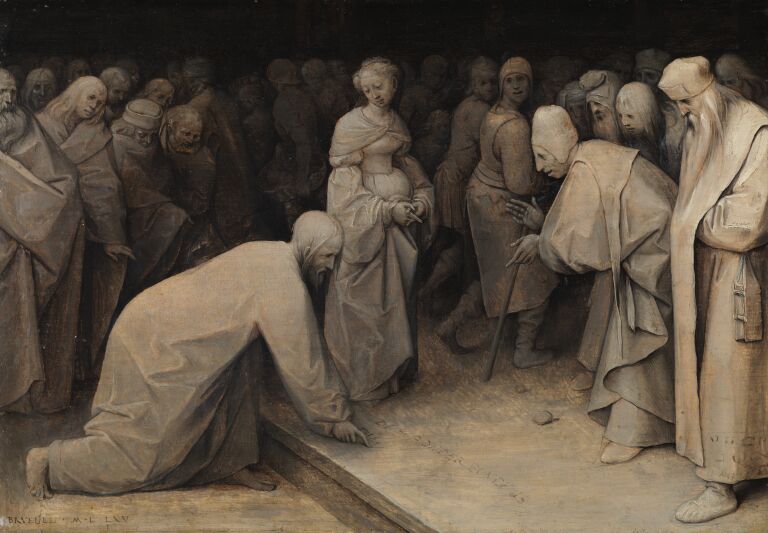
Even with consent, each often seeks self-gratification, separating the body from promise and fidelity. Repeated short-term relationships leave traces: comparisons, mistrust, habits that sabotage stable love. Authentic love includes time, covenant, and openness to the future.
- Mark Regnerus; Jeremy Uecker - Premarital Sex in America
- Galena K. Rhoades; Scott M. Stanley - Journal of Family Psychology (2011)
- Hebrews 13:4 - “Let marriage be held in honor by all… God will judge the immoral and adulterous.”
- Matthew 19:5-6 - “They shall be two in one flesh… what God has joined, let no man separate.”
- 1 Corinthians 6:18-20 - “Flee fornication… glorify God in your body.”
Successive bonds shape expectations and automatic reactions. Research links extensive sexual history with certain risks to marital stability. More than statistics, practical wisdom shows fidelity trains the heart for exclusive self-gift within marriage.
- Jay Teachman - Journal of Marriage and Family (2003)
- Galena K. Rhoades; Scott M. Stanley - Journal of Family Psychology (2011)
- Song of Songs 8:6 - “Set me as a seal upon your heart… for love is strong as death.”
- Matthew 19:6 - “They are no longer two, but one flesh.”
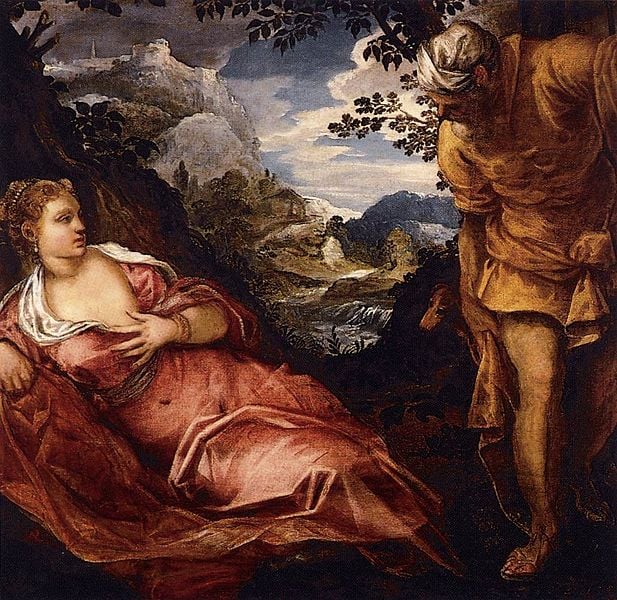
To eat only for pleasure and then induce vomiting is an abuse of food; something similar happens when one seeks sexual pleasure while rejecting its natural end. Catholic teaching holds that the primary end of the act is life; the good of the spouses is inseparable from this openness. Natural methods respect the body and the language of love.
- Paul VI - Humanae Vitae
- Evelyn Billings; John Billings - The Billings Method
- K. Frank-Herrmann et al. - Human Reproduction (2007)
- Genesis 38:9-10 - “Onan… spilled his seed on the ground… what he did was evil in the sight of the Lord.”
- Psalm 127:3 - “Children are a heritage from the Lord.”
- 1 Corinthians 7:5 - “Abstain by mutual consent for a time… then return together.”
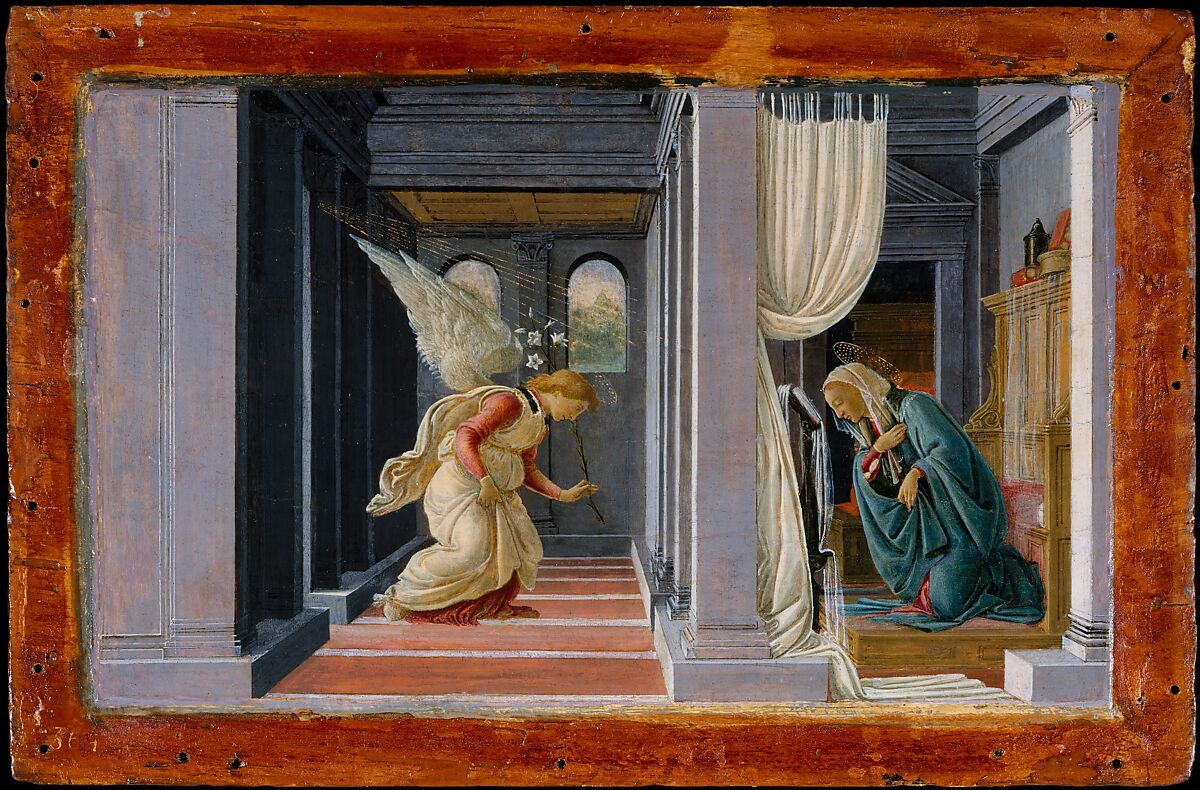
The Church allows spacing of births for just reasons, through periodic continence and natural methods. The question is whether we refuse life for real need or luxury. Children are gifts, not obstacles to love. Discernment, prayer, and simplicity free couples from the social pattern of 'always more.'
- World Health Organization - A prospective multicentre trial of the ovulation method (1981)
- Evelyn Billings; John Billings - The Billings Method
- Psalm 127:3-5 - “Children are a heritage from the Lord… blessed is the man whose quiver is full of them.”
- Genesis 1:28 - “Be fruitful and multiply.”
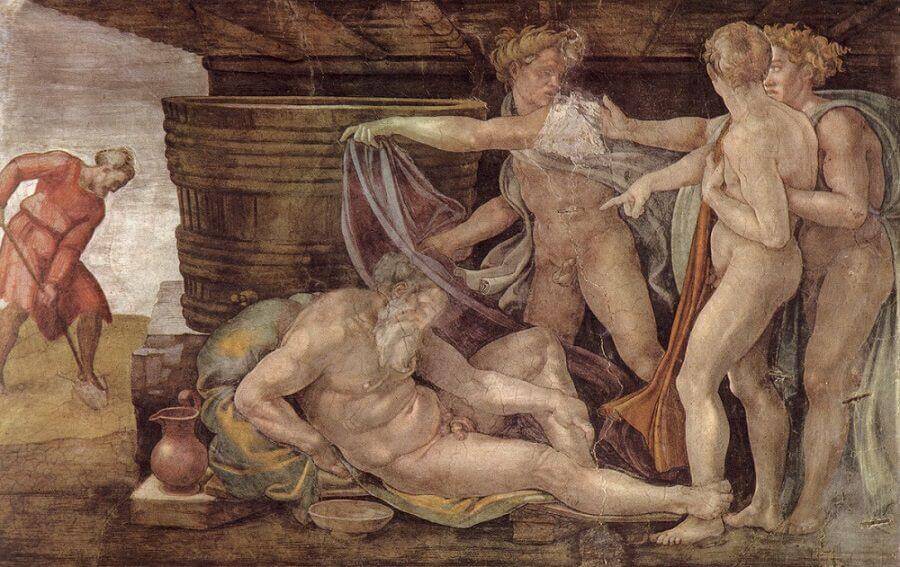
Some substances are inherently destructive. Others, like alcohol, demand moderation: fleeing reality through intoxication contradicts the gift of reason. Sobriety protects freedom and love. Feasts and toasts have their place, but we must guard the point where good turns to harm.
- David J. Nutt et al. - The Lancet (2010)
- Centers for Disease Control and Prevention (CDC) - Alcohol Guidelines
- Ephesians 5:18 - “Do not get drunk with wine… but be filled with the Spirit.”
- Proverbs 23:20-21 - “Do not join those who drink too much wine… for drunkards become poor.”
- 1 Peter 5:8 - “Be sober and vigilant.”