
The Church affirmed the role and dignity of women in society
If the Church affirmed the role and dignity of women in society, then the historiography that treats Christianity as the great oppressor of women cannot remain a coherent option.
That story assumes:
- pagan and pre-Christian law already honored women, and the Church reversed it;
- equal dignity before God is a modern discovery the Church resisted;
- the Church’s record is essentially domination dressed as piety.
Those premises collide with the Claim. Ancient law treated women as property; the Gospel named them daughters of God and co-heirs. If that is true, “the Church oppressed women” is not a rival summary of the same history; it is a later rewrite that erases what the Claim asserts.
The implication of the Claim is that this anti-Church narrative is ruled out as a viable reading, not that every later dispute about roles — including ordination — must be re-argued here.
Ancient law treated women as property; Christianity affirmed their equal dignity before God. Women were decisive in the spread of the faith because that ethic valued them as wives, mothers, and disciples. Christian monogamy protected women and children and made the home a school of fidelity. The Church’s work for women’s dignity was later written out of the story as a “Dark Age.” Modern “liberation” can become a new servitude: a boss who barely knows her in place of a husband who cherishes her. The Church does not ordain women out of fidelity to Christ’s example; authority means service, not domination.
The argument
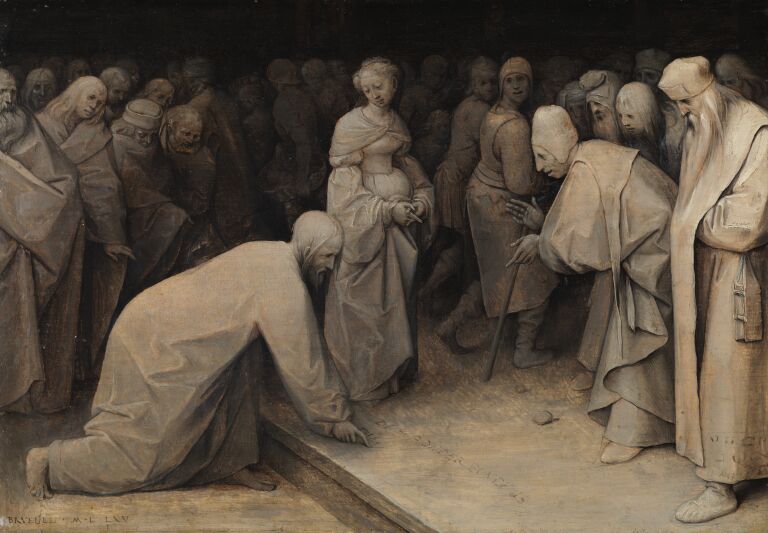
In the Roman Empire, the pater familias had the right of life and death over his wife and children, who were legally his property. Among the Jews, women were also treated as inferior — an adulterous woman could be stoned, while the man faced lesser punishment. Within this reality, the Gospel was revolutionary: Saint Paul commanded husbands to love their wives as Christ loved the Church, overturning the axis of power toward love and service. Thus, the Church replaced domination with responsibility, and woman — once treated as a thing — became recognized as a daughter of God and co-heir of grace.
- Jane F. Gardner - Women in Roman Law & Society
- Kyle Harper - From Shame to Sin: The Christian Transformation of Sexual Morality in Late Antiquity
- Henry Chadwick - The Early Church
- Genesis 1:27 - God created man in his image... male and female he created them.
- Ephesians 5:25 - Husbands, love your wives as Christ loved the Church.
- 1 Peter 3:7 - ...showing honor to the woman as the weaker vessel, since they are heirs with you of the grace of life.
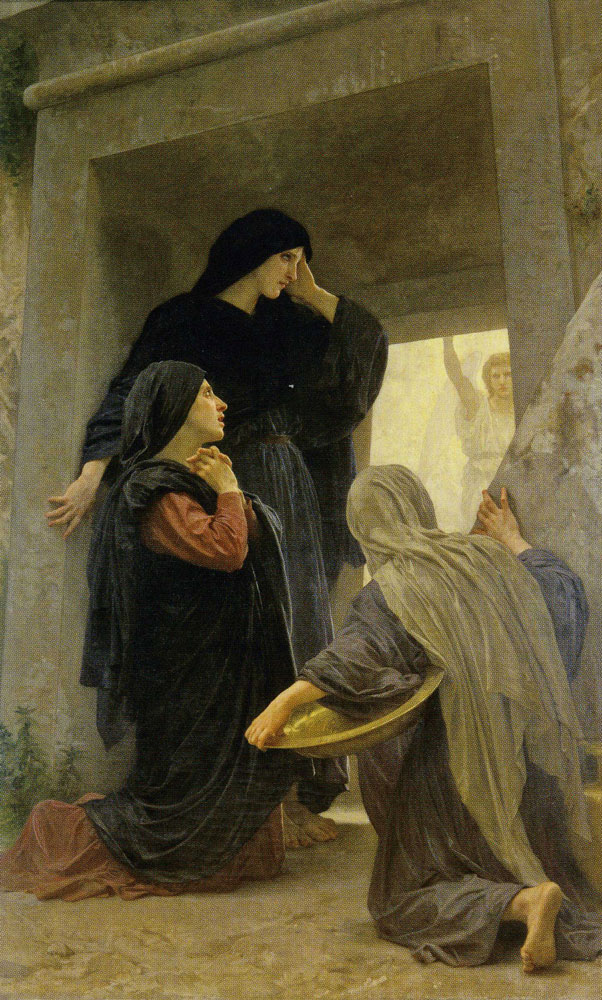
While paganism degraded women to ornaments or possessions, Christianity gave them voice, honor, and purpose. In the early centuries, many women embraced the faith because they saw among Christians husbands who loved and respected their wives. Women converted families and sustained domestic communities, becoming the silent pillars of the Church. Monogamy and the indissoluble marriage bond offered moral and material stability, allowing women to cease being traded as property and to become the foundation of a loving and secure family.
- Rodney Stark - The Rise of Christianity
- Peter Brown - The Body and Society
- John Paul II - Mulieris Dignitatem
- Acts 16:14-15 - ...Lydia... the Lord opened her heart... she was baptized with her household.
- Romans 16:1-3 - I commend to you Phoebe... Greet Prisca and Aquila, my co-workers in Christ Jesus.
- Matthew 19:4-6 - ...the two shall become one flesh... therefore what God has joined together, let no one separate.
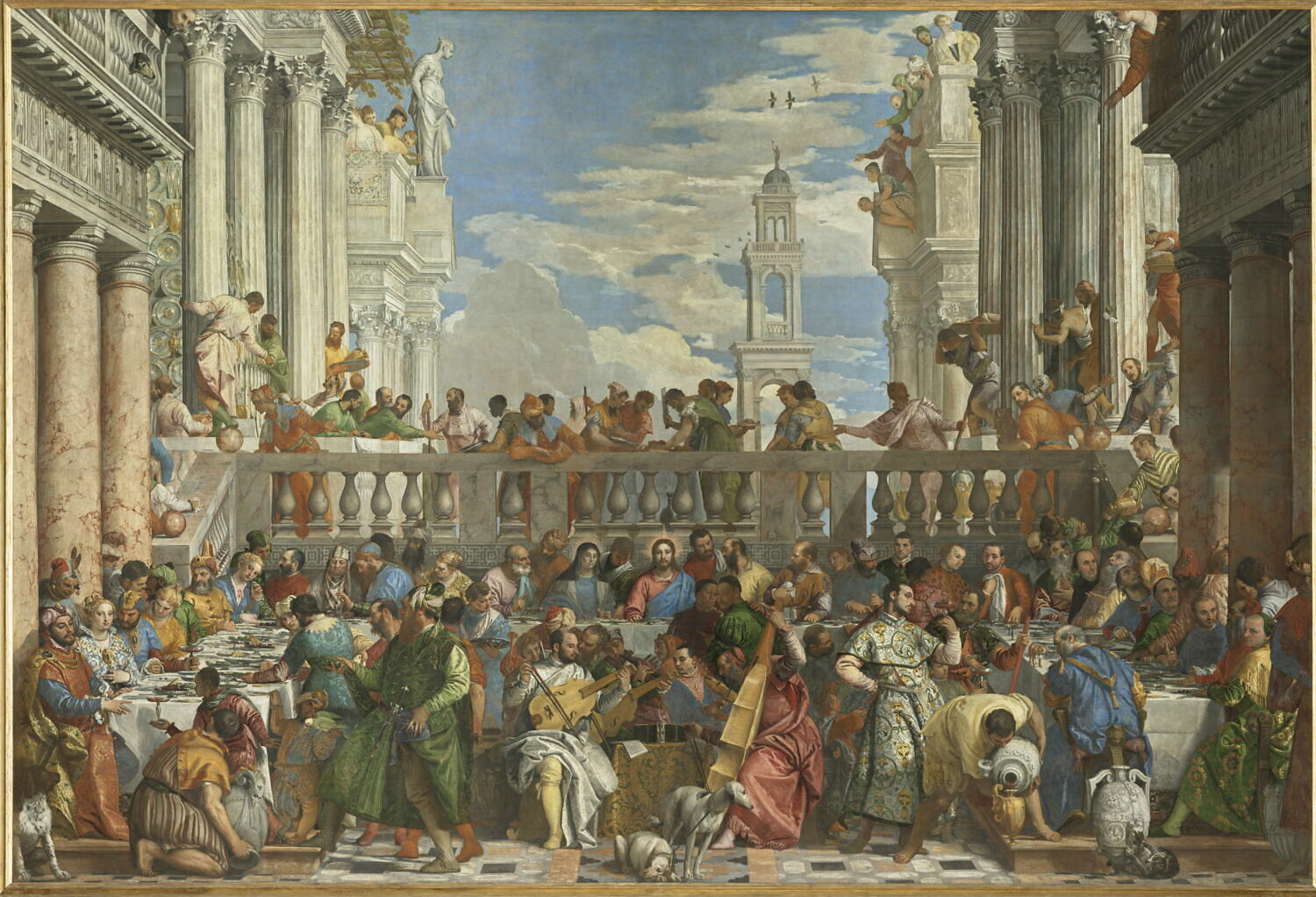
Among pagan peoples, polygamy and abandonment were common. Christianity taught that husband and wife become one flesh and that fidelity mirrors God’s covenant with his people. By establishing monogamy, the Church elevated marriage to a sacrament and the home to a place of sanctification. The woman ceased being a replaceable possession and became a unique and worthy companion. The Church also consecrated the image of the queen beside the king as a symbol of shared dignity. This Christian vision built stable homes and civilizations founded on love.
- Régine Pernoud - La Femme au temps des cathédrales
- Kyle Harper - From Shame to Sin
- Peter Brown - The Body and Society
- Ephesians 5:22-25 - Wives, be subject to your husbands... Husbands, love your wives as Christ loved the Church.
- Proverbs 31:10-11 - A valiant woman, who can find her? Her husband's heart trusts in her.
- 1 Corinthians 7:3-4 - The husband should fulfill his marital duty to his wife, and likewise the wife to her husband.

Enlightenment and Masonic writers in the 18th century popularized the false notion that the Middle Ages were an age of ignorance — a story that also erased what the Church had done for women’s dignity. Yet universities, hospitals, and schools were born under the Church’s patronage. Women, such as abbesses and queens, promoted culture and charity; the Church’s ethic of equal dignity before God was lived in those institutions, not invented by later critics. The term 'Renaissance' masked a revival of pagan vices — idolatry, adultery, and slavery — which Christianity had restrained. While Enlightenment propaganda exalted 'reason' and diminished the Church’s role in science and education, it also wrote out abbesses, schools for girls under Church care, and the long defense of women’s dignity. The Church taught reason illuminated by faith — a harmony that built true wisdom and moral progress, including for women.
- Régine Pernoud - Pour en finir avec le Moyen Âge
- Edward Grant - God and Reason in the Middle Ages
- James Hannam - God's Philosophers: How the Medieval World Laid the Foundations of Modern Science
- Proverbs 1:7 - The fear of the Lord is the beginning of wisdom.
- Colossians 3:23 - Whatever you do, work heartily, as for the Lord and not for men.
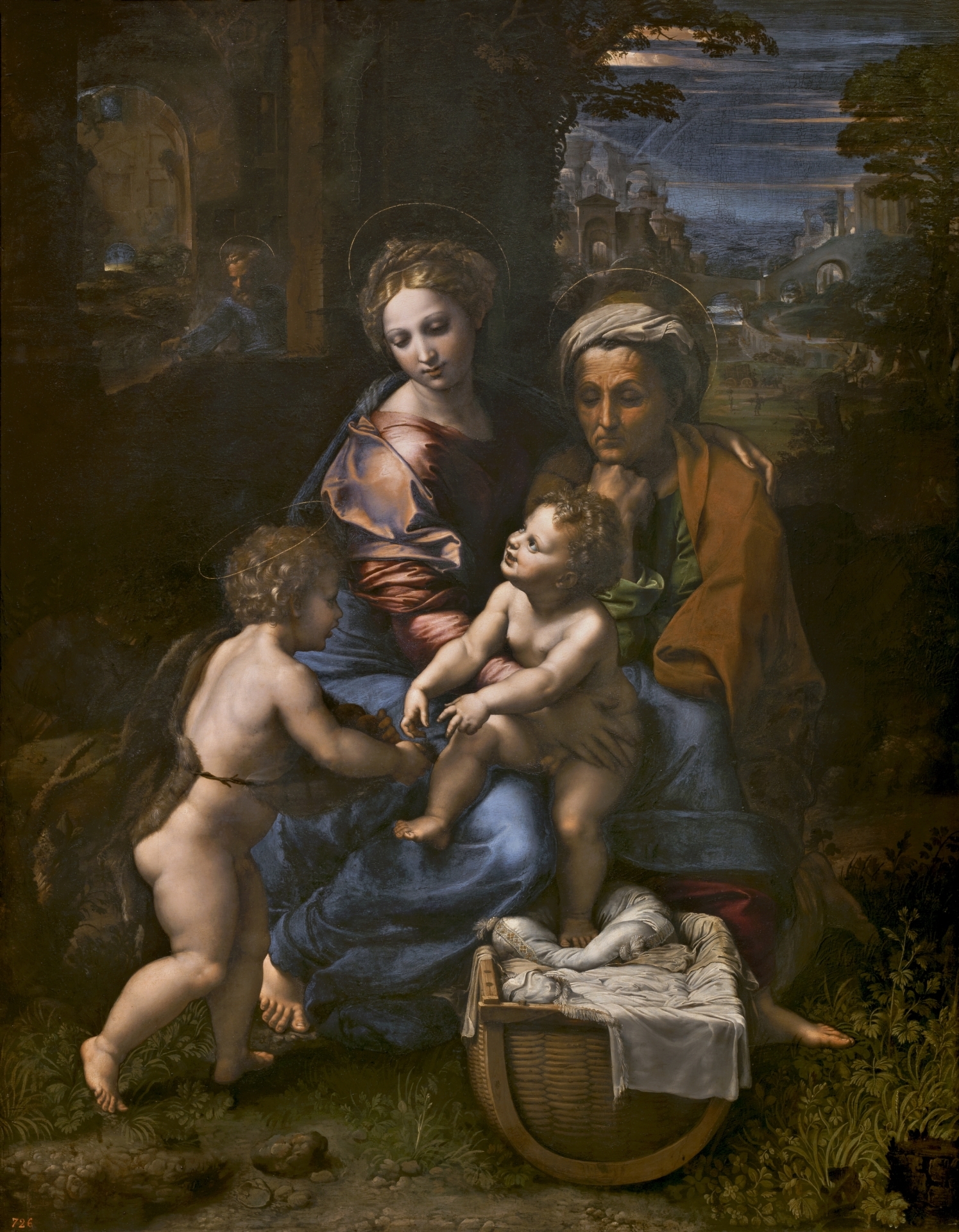
The Church never condemned women’s work but warns against turning it into an escape from love and family. Many modern women believe they are free because they earn their own money, yet they live exhausted and unloved. The boss who praises them in the morning forgets them by evening, while a Christian husband, living his faith, would love and care for them like Christ loves the Church. True freedom is not independence from everyone but dependence on the one who loves us — as the Church depends on Christ. Freedom blossoms in love, not in loneliness.
- John Paul II - Mulieris Dignitatem
- Rodney Stark - The Rise of Christianity
- Colossians 3:18-19 - Wives, be subject to your husbands... Husbands, love your wives and do not be harsh with them.
- Proverbs 31:27 - She watches over the affairs of her household and does not eat the bread of idleness.
- Galatians 3:28 - There is neither male nor female; for you are all one in Christ Jesus.

Jesus chose twelve men as apostles, not because He devalued women — after all, Mary is the supreme model of the Church — but to manifest the sacrificial and representative nature of priesthood. The priest is one who offers himself and serves, not one who rules. Women share in this same mystery differently: by receiving love and multiplying it in the home, in charity, catechesis, and consecrated life. True greatness is not standing at the altar but serving with love — and in this, women mirror Christ Himself, who became the servant of all.
- John Paul II - Mulieris Dignitatem
- Henry Chadwick - The Early Church
- Peter Brown - The Body and Society
- Luke 22:26-27 - ...the greatest among you should be like the youngest... I am among you as one who serves.
- Hebrews 5:1 - Every high priest is taken from among men...
- John 13:14-15 - ...you also ought to wash one another’s feet.