
You should follow a religion
When demonstrating that it makes sense to follow a religion, it becomes necessary to discard certain belief options that cannot sustain a coherent, concrete path of worship.
1. Agnosticism
Agnosticism claims that it is not possible to fully know God and that all religions would have only “parts” of the truth.
However: many religions directly contradict one another on fundamental points. If two contradictory claims cannot both be true, then at least one religion must be closer to the truth — and it makes sense to seek which one presents greater coherence and foundation, rather than remaining indefinitely outside every school of worship.
2. Esotericism and Paganism
Esotericism and various forms of paganism are not organized religions, but fragmented traditions with occult practices defined by individuals considered more “evolved.” They lack doctrinal unity, depend on unverifiable guides, and often reconstruct ancient mythologies without solid historical foundation. They do not offer a stable school of worship for body and soul.
3. Witchcraft
Witchcraft is not a religion, but a set of practices aimed at the occult. It has no unified doctrine, confuses genuine knowledge with invention, and often seeks material gain through manipulation of forces — incompatible with the deep spiritual search found in the great religious traditions.
4. Anti-religions
Anti-religious currents seek to destroy religion, yet religion answers a human need and, when lived honestly, forms meaning and justice. By rejecting religion they often propose a new absolute in its place — a false religion — or offer no alternative capable of providing worship, morality, or transcendence.
Thus these four alternatives must be discarded in the search for which religion to follow.
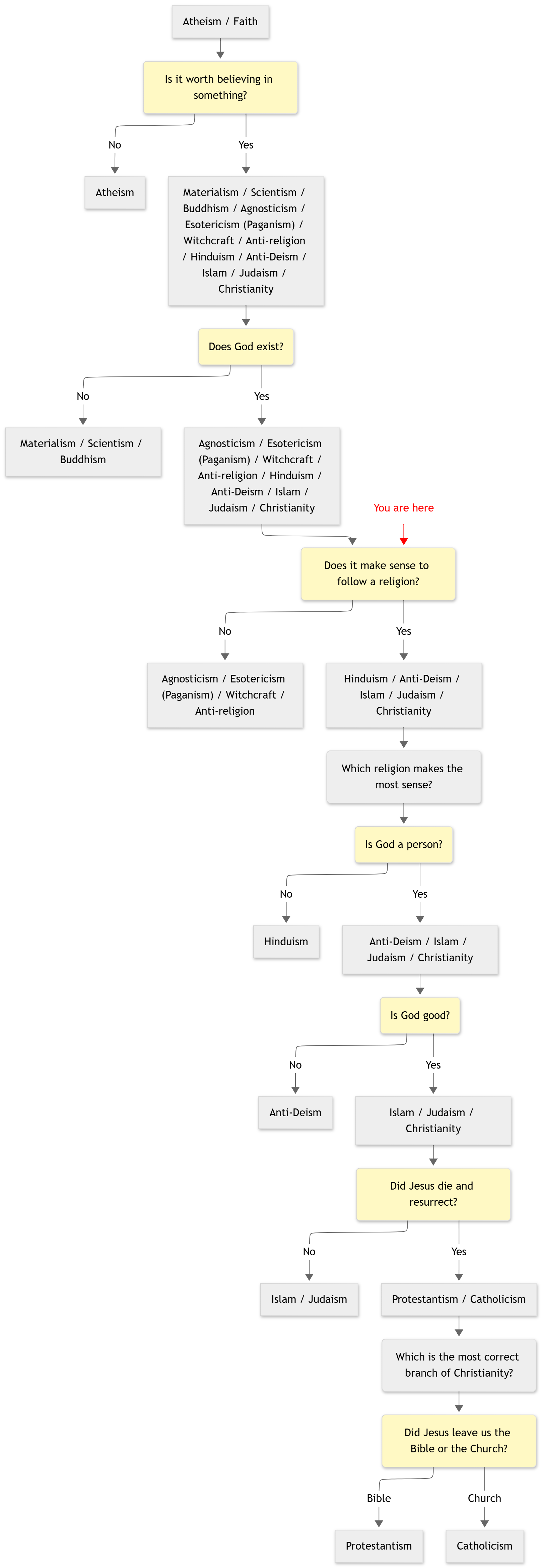
All cultures have known religion: the religious need is human. The gap between humans and animals is why humans worship, not only feed, and body and soul need a concrete school of worship, not a private mood. Without religion the heart still worships — it makes idols — and without a concrete faith hedonism grows. Calling religion “opium” does not refute it; the absence of religion can also anesthetize. If eternity is real, refusing a religion that seeks God costs everything. Religion trains the desire for God; it makes no sense to hope for heaven without that training.
The argument

Throughout history and across every culture, people have expressed worship, rituals, and stories of meaning. This does not prove every belief system true, but it reveals a universal human trait: the search for an ultimate foundation beyond the immediate. Just as language reveals our reason, religion reveals our thirst for purpose and communion with the Sacred. To dismiss this as a collective illusion ignores that it shaped art, law, and virtue. The Catholic view sees this as an echo of the 'desire for God' inscribed in every heart: not an external imposition, but a natural inclination toward truth, goodness, and worship.
- Mircea Eliade - The Sacred and the Profane
- Charles Taylor - A Secular Age
- Viktor E. Frankl - Man’s Search for Meaning
- Ecclesiastes 3:11 - "He has put eternity in their hearts..."
- Romans 1:20 - "His eternal power and divinity have been understood and seen through the things he has made..."
- Wisdom 13:1 - "Foolish by nature were all men who were in ignorance of God..."

Without denying biological continuity, humanity manifests symbolic language, art, moral conscience, and openness to the infinite. Animals feed, mate, and nest; humans build altars, keep holy days, and ask who made them. Even amid material abundance, anxiety grows when higher meaning is lost — a sign that 'more' is needed. Christian tradition calls this the spiritual soul: the principle of knowledge and love capable of God. Reducing man to animal needs cannot explain why we die for ideals, make science, or forgive. Religion answers something real within us: the capacity to worship.
- Roger Scruton - The Face of God
- John Searle - Mind, Brain and Science
- Alasdair MacIntyre - Dependent Rational Animals
- Genesis 1:27 - "God created man in His image..."
- Psalm 8:5-6 - "You have crowned him with glory and honor..."
- Ecclesiastes 12:7 - "...and the spirit returns to God who gave it."
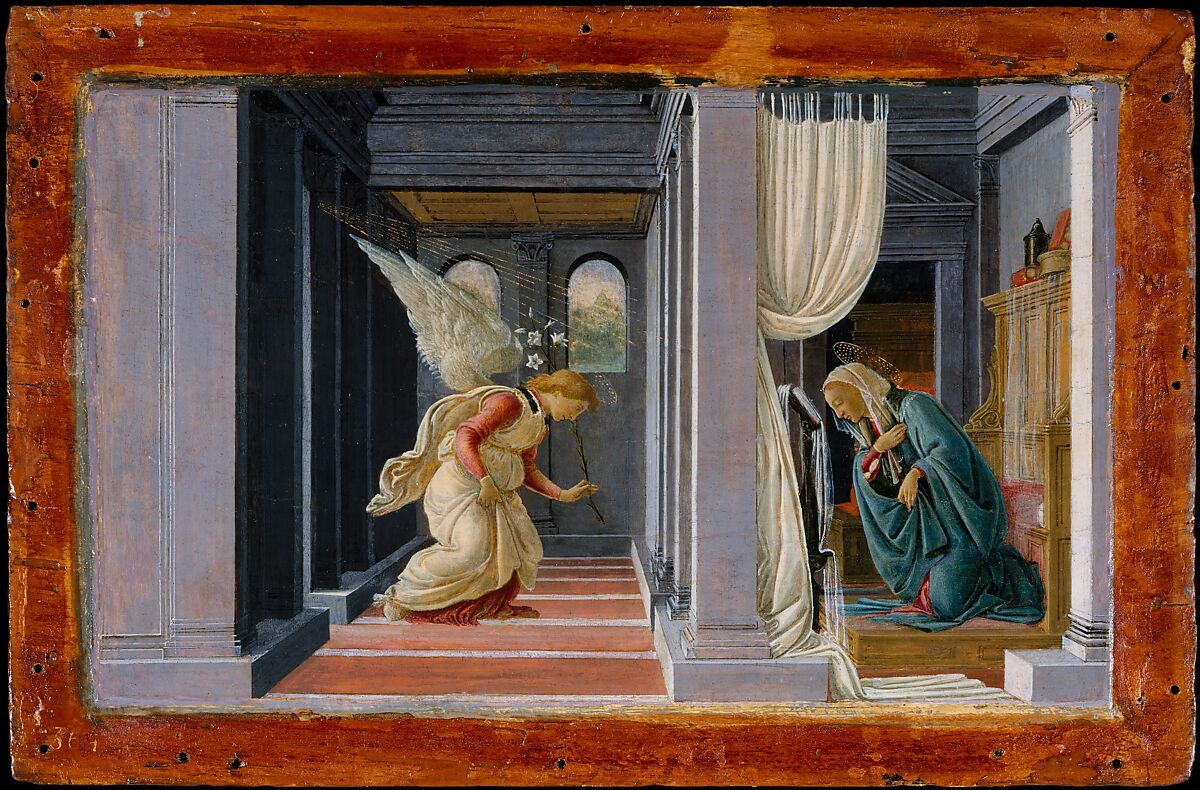
Faith teaches an order in creation: matter, life, senses, and spirit. Humanity, composed of body and soul, participates in all levels — perceiving the world, caring for it, and elevating it to God through reason and charity. A private feeling of spirituality rarely holds the body and the calendar; a religion does — with prayer, sacraments, community, and moral teaching. Religion, far from denying the body, consecrates it; far from suffocating reason, it elevates it to praise. The human vocation to unite the material and the spiritual needs a concrete school, not a mood that evaporates under pressure.
- Joseph Ratzinger (Benedict XVI) - Introduction to Christianity
- Edward Feser - Five Proofs of the Existence of God
- David Bentley Hart - The Experience of God: Being, Consciousness, Bliss
- Genesis 2:7 - "...and breathed into his nostrils the breath of life..."
- Psalm 103:20-22 - "Bless the Lord, all His angels..."
- Romans 8:19-21 - "Creation awaits with eager expectation the revelation of the children of God..."
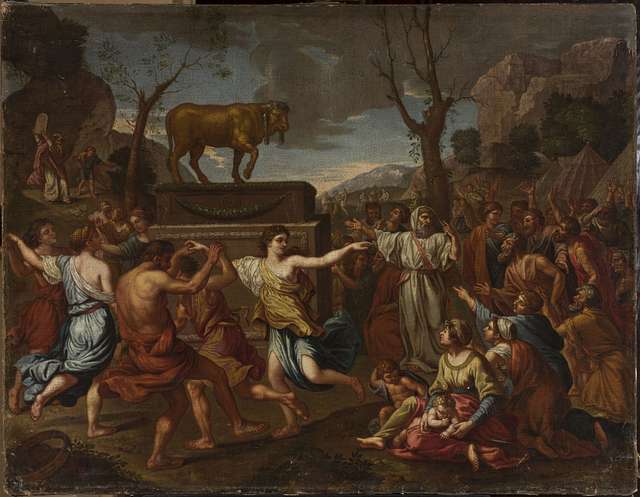
Human beings inevitably adore something: if they do not worship God in a living religion, they absolutize finite goods. The result is inner slavery, for what dominates us defines our lives. Scripture calls this idolatry: trading the glory of the Creator for the created. Idols demand ever-growing sacrifices and never satisfy. In contrast, God commands love — first for Him and therefore for others. Religion rightly lived purifies desire, frees from narcissism, and places every good in its proper order, as means, not ultimate ends.
- Timothy Keller - Counterfeit Gods
- Charles Taylor - A Secular Age
- David Bentley Hart - The Experience of God: Being, Consciousness, Bliss
- Exodus 20:3 - "You shall have no other gods before me."
- Romans 1:25 - "They worshiped and served the creature rather than the Creator..."
- Psalm 115:4-8 - "Their idols are silver and gold..."
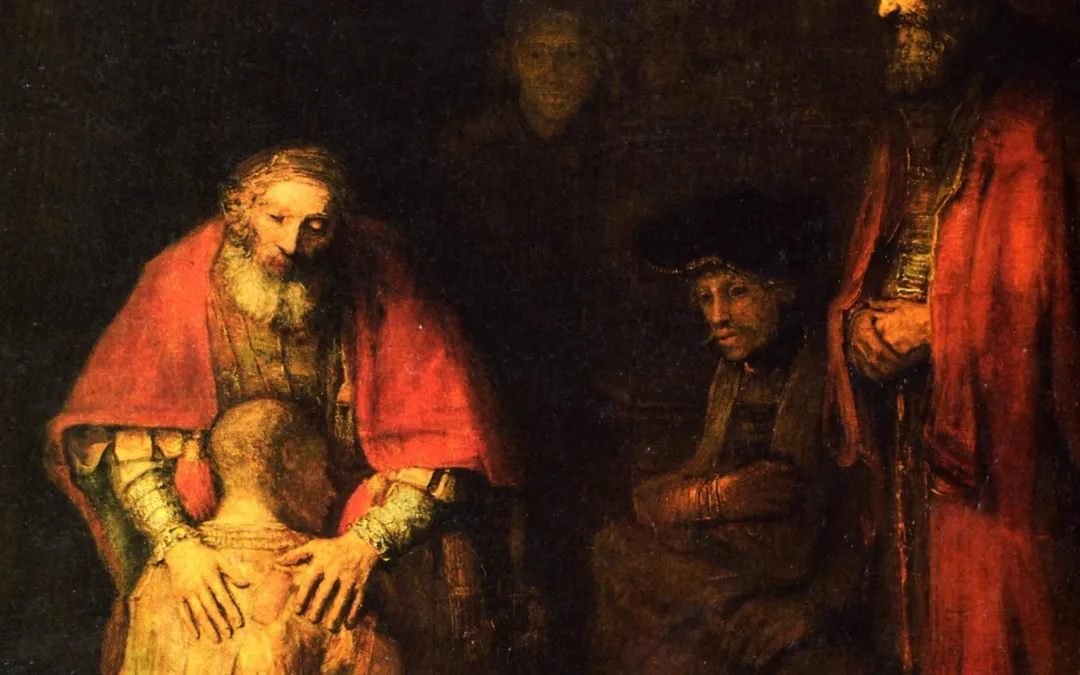
When life loses a greater 'why,' the day-to-day collapses into immediate stimuli: screens, consumption, and excess. Pleasure itself is a relative good, but without measure it becomes tyrannical. A concrete religion offers a path of meaning: discipline, sacraments, community, and charity that reorder desires. Psychological evidence shows that transcendent goals and stable relationships protect against addiction and emptiness. Faith does not destroy joy; it elevates it, integrating body and soul, freedom and responsibility, teaching the heart to desire what truly fulfills.
- Viktor E. Frankl - Man’s Search for Meaning
- Abraham Maslow - Toward a Psychology of Being
- Jonathan Haidt - The Happiness Hypothesis
- Galatians 5:19-22 - "The works of the flesh are... But the fruit of the Spirit is love, joy, peace..."
- Matthew 6:33 - "Seek first the kingdom of God..."
- Psalm 37:4 - "Delight yourself in the Lord, and He will give you the desires of your heart."
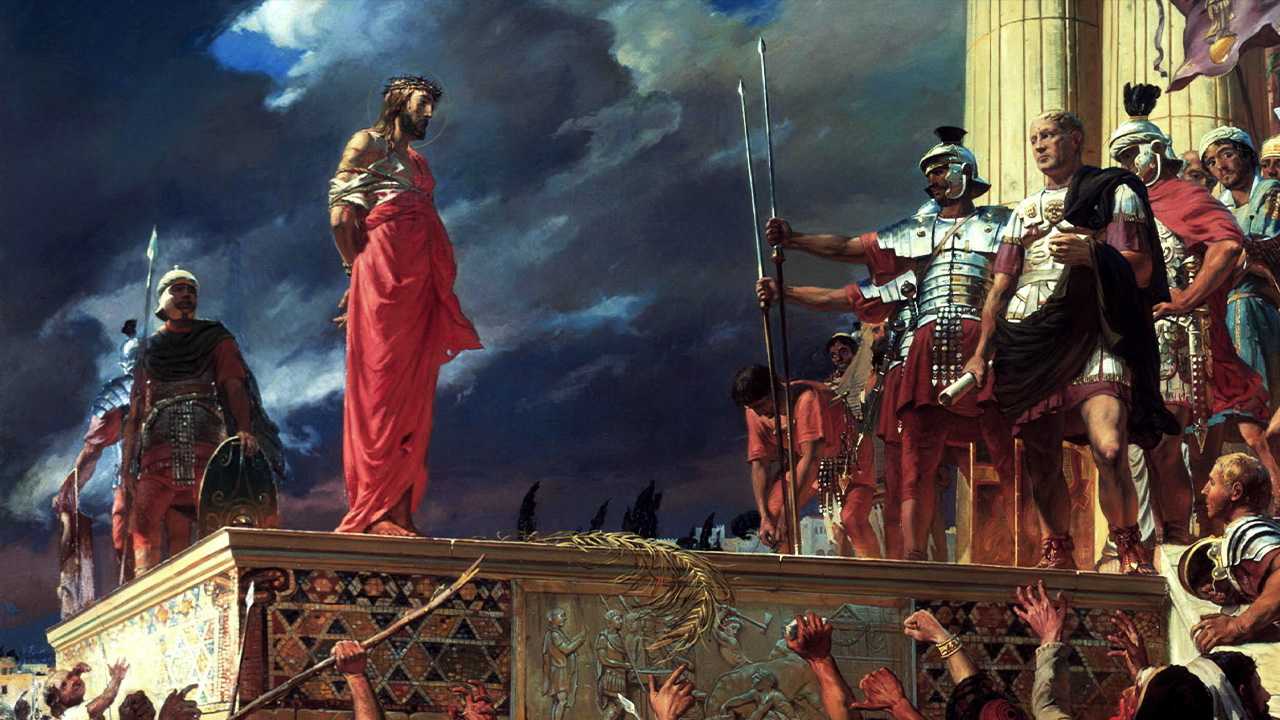
Reducing religion to a mechanism of alienation ignores its critical power: saints and prophets denounced injustice, cared for the poor, and reformed societies. On the other hand, the absence of God can numb the conscience by removing duties and replacing them with mere interests. The question is not simply 'to believe or not to believe,' but which worldview empowers love and justice. Christian faith calls to truth and responsibility, not to escapism. If some religious practice numbs, it needs conversion; if the absence of religion removes moral obligation, that too is an opiate.
- Alasdair MacIntyre - After Virtue
- Robert Spaemann - Happiness and Benevolence
- William James - The Varieties of Religious Experience
- Colossians 2:8 - "See to it that no one takes you captive through philosophy and empty deceit..."
- James 1:27 - "Religion that is pure and undefiled before God... is to care for orphans and widows..."
- Micah 6:8 - "To act justly, to love mercy, and to walk humbly with your God."
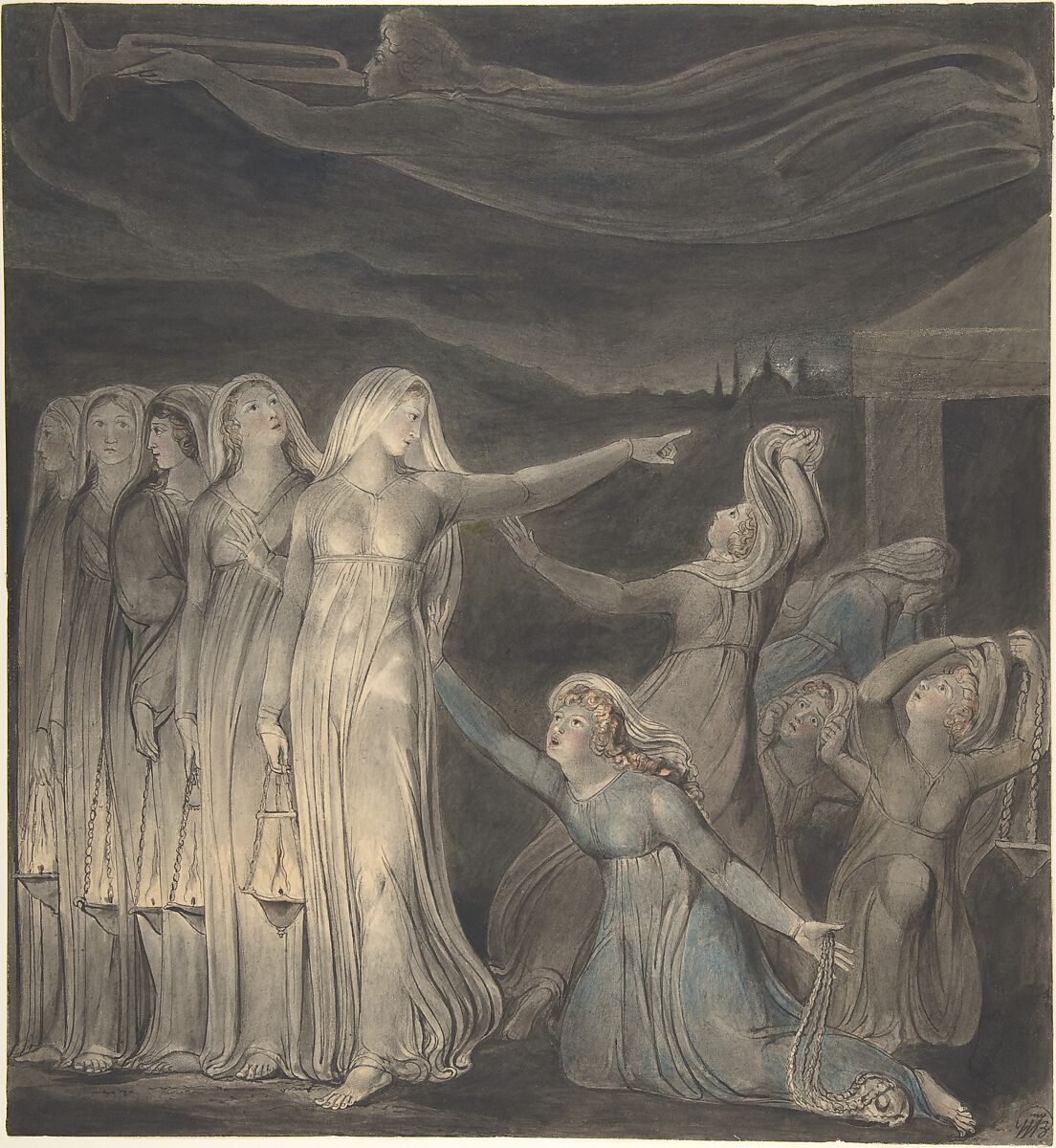
A prudential evaluation considers two scenarios. If eternity exists, rejecting a religion that seeks God means risking the Supreme Good. If it does not, one who lived that religion sincerely cultivated virtue, service, and hope that already improve this life. This is not a wager based on fear but on reason: openness to God through a concrete path is rationally defensible and existentially fruitful. Christian faith does not promise escape from suffering but meaning and charity that transform history. Thus, choosing a religion that seeks God unites practical reason and the pursuit of the highest good, while refusal carries infinite risk with no proportional gain.
- Blaise Pascal - Pensées
- C.S. Lewis - Mere Christianity
- Peter Kreeft - Christianity for Modern Pagans
- Matthew 16:26 - "What profit would there be for one to gain the whole world and forfeit his life?"
- John 11:25 - "I am the resurrection and the life..."
- Matthew 25:46 - "And these will go off to eternal punishment, but the righteous to eternal life."

Heaven is eternal communion with God. If we have not sought to know, love, and serve Him in life, why would we want that communion forever? Religion trains the heart for this encounter: prayer, sacraments, and works of charity form the desire. God respects our freedom; whoever freely rejects Him distances himself from His love. The logic of the Kingdom is simple: where your treasure is, there your heart will be. Living religion is not formality but growing friendship with God, preparing us for what He promised.
- Josef Pieper - Happiness and Contemplation
- Hans Urs von Balthasar - Love Alone Is Credible
- John Henry Newman - Grammar of Assent
- Matthew 7:21 - "Not everyone who says to me, 'Lord, Lord'... but only the one who does the will of my Father."
- Revelation 3:20 - "Behold, I stand at the door and knock..."
- Matthew 6:21 - "For where your treasure is, there also will your heart be."